
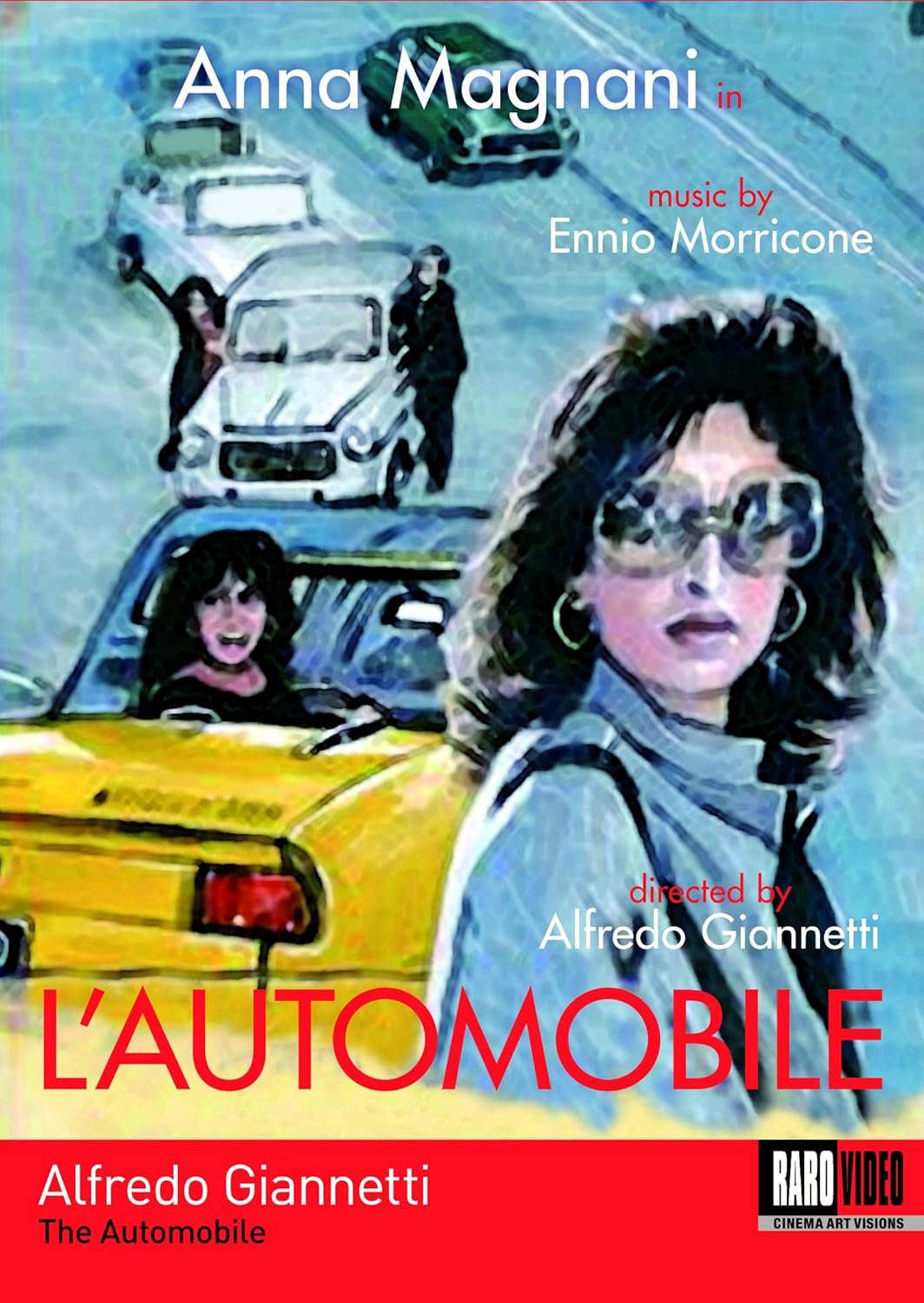


Product Review: L’Automobile
Overview
"L’Automobile" is a captivating piece of cinema from the direction of Alfredo Gianetti, featuring a powerful performance by the legendary Italian actress Anna Magnani. Released on February 28, 2012, this film embodies the essence of 70s Italian drama, with its complex characters and rich thematic depth. Set against a backdrop of Roman nightlife, this drama navigates the life of an experienced prostitute reflecting on her choices and yearning for a change.
Storyline
The film centers around Anna, a seasoned prostitute who has become a well-known figure in the nightlife of Rome, navigating her life with a mix of resilience and melancholy. As she grapples with her past and future, Anna makes a pivotal decision to purchase a convertible, symbolizing her search for freedom and possibility. Her journey to the beach with two young men quickly escalates when a car accident thrusts her back into the chaos of her previous life.
This narrative structure presents a vivid exploration of hope, despair, and the often harsh realities of life. The film’s arc is not merely about the literal car accident but serves as a metaphor for Anna’s own life choices, challenging viewers to reflect on the cyclical nature of circumstances and the struggle for self-discovery.
Strengths of the Film
-
Authentic Characters: Anna Magnani shines as the lead, bringing a profound sense of authenticity to her portrayal. Her character is neither idealized nor vilified, presenting a nuanced angle on the life of women in her profession. The supporting cast, including Christian Hay and Vittorio Caprioli, adds layers to the narrative, enriching Anna’s journey.
-
Cinematic Quality: The film is presented in color with excellent production values representative of its time. The subtitled version makes it accessible to a broader audience, enhancing its reach beyond Italian-speaking viewers. The visual aesthetics capture the vibrant yet gritty essence of Rome, transporting audiences to the heart of the setting.
-
Ennio Morricone’s Score: One cannot discuss "L’Automobile" without highlighting the exceptional score by Ennio Morricone. His music complements the emotional tones of the film, accentuating the highs and lows of Anna’s journey. Morricone’s compositions effortlessly weave through the narrative, enhancing both the ambiance and emotional depth.
- Cultural Reflection: The film serves as a commentary on the changing social dynamics of the 1970s in Italy. It touches on themes of gender, societal expectations, and the quest for personal redemption. In doing so, it invites audiences to engage with issues that may continue to resonate today.
Potential Drawbacks
While "L’Automobile" is rich in content and style, some aspects may not sit well with all viewers.
-
Pacing: Some may find the pacing of the film slow as it takes its time to delve into Anna’s character and her reflections. This might be challenging for viewers looking for a more conventional narrative structure or faster plot progression.
-
Cultural Nuances: Viewers unfamiliar with Italian culture or the historical context of the 1970s may find certain nuances either difficult to grasp or less relatable. The film does assume a level of understanding of its cultural background, which may limit its connection with a global audience.
- Ambiguous Ending: The film’s conclusion is open to interpretation, which can leave some viewers feeling unsatisfied or confused. The resolution does not provide a definitive answer regarding Anna’s future, reflecting the uncertain nature of real-life struggles but potentially disappointing those seeking closure.
User Experience and Overall Impression
Running at 1 hour and 38 minutes, "L’Automobile" offers a concise yet profound viewing experience. Kino Lorber Films has done a commendable job in the presentation and distribution of the film, ensuring that its historical significance and emotional weight are not lost in translation.
Audiences can expect a deep character study that encourages introspection. The interplay of hope and despair, combined with Morricone’s evocative score, creates an emotionally rich viewing experience that lingers long after the credits roll.
In summary, "L’Automobile" is a classic of Italian cinema that merits attention for its artistic merits and poignant storytelling. It may not appeal to everyone—particularly those who prefer faster-paced or less introspective films—but for lovers of character-driven narratives and rich cultural storytelling, it stands as a testament to the complex human experience. It’s a film that reminds us of the delicate dance between our past choices and our aspirations for the future, making it a worthwhile addition to any film enthusiast’s collection.
